Daikin Malaysia Sdn Bhd is driving Malaysia’s shift to low-carbon cooling through a nationwide refrigerant recovery and reclamation ecosystem launched in August 2024. In partnership with industry players, the initiative strengthens lifecycle management, curbs emissions, and supports national decarbonisation goals. Through structured collection, certified reclamation, and responsible redistribution, Daikin is advancing a refrigerant circular economy—where recovered gases are purified and reused—reducing reliance on virgin production and enabling a more sustainable cooling future.
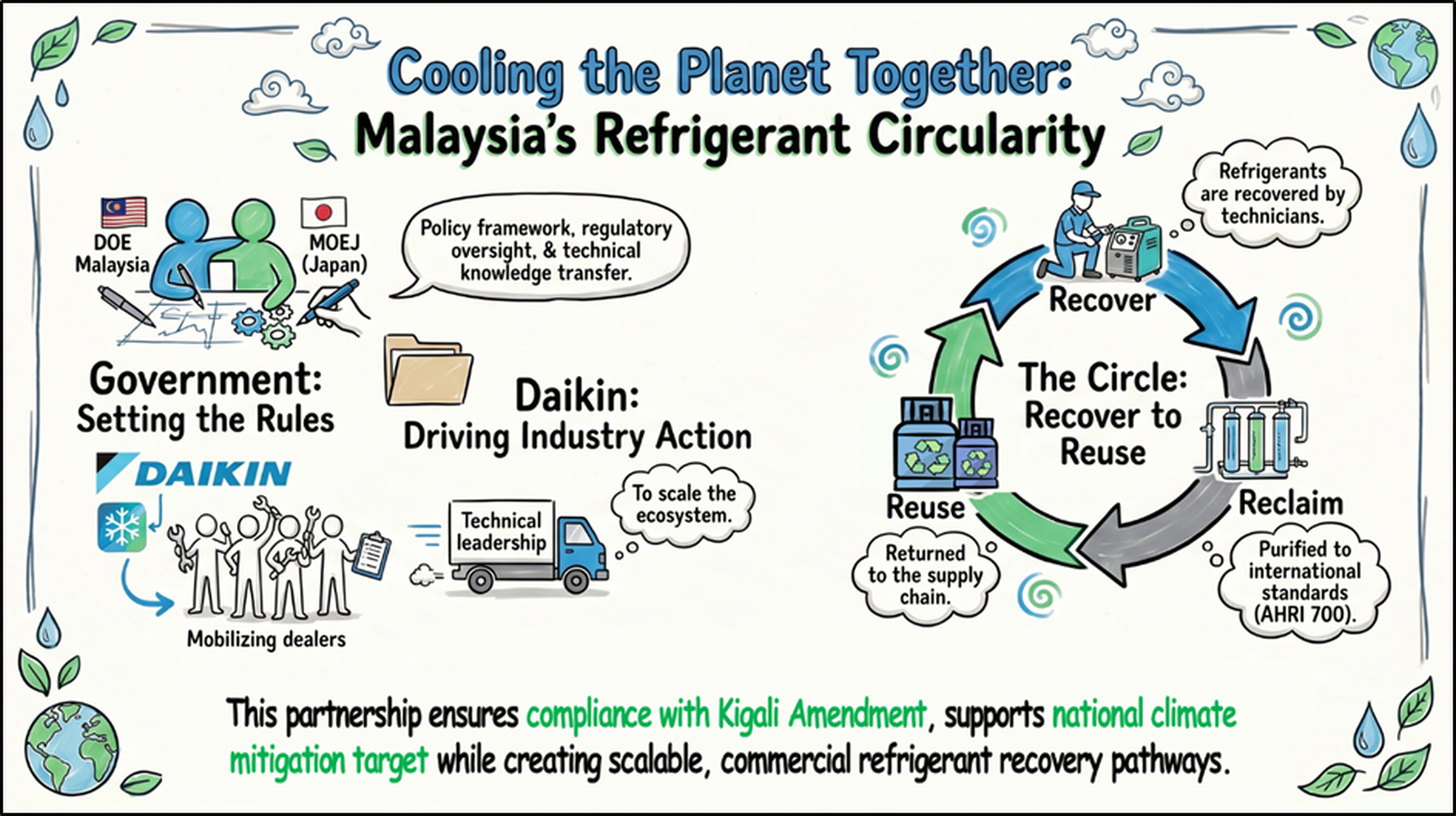
Bridging Malaysia and Japan for Refrigerant Circularity
In February 2026, a delegation from Japan’s Ministry of the Environment (MOEJ), led by Mr. Iino Satoru, Director of the Fluorocarbons Control Office, together with representatives from Daikin Industries, Ltd., visited Daikin Malaysia Sales and Service Sdn Bhd to gain insight into Malaysia’s recovery efforts and evolving market. Officials from Malaysia’s Department of Environment (DOE) also joined, reflecting strong bilateral support and ambition to scale the initiative nationwide.
This engagement underscores growing Malaysia–Japan environmental cooperation, particularly in advancing Life Cycle Refrigerant Management (LRM). Through policy dialogue and knowledge-sharing, Japan contributes its experience in fluorocarbon emissions control and industry best practices, supporting Malaysia’s transition toward a circular model where refrigerants are recovered, reclaimed, and reused.
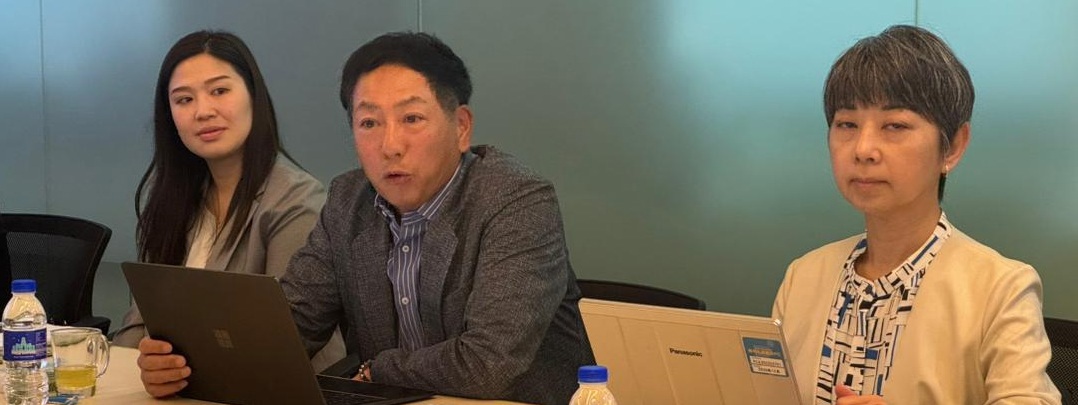
“Today’s engagement is an important opportunity to reflect on our progress and prepare for the next phase of collaboration to strengthen Malaysia’s Lifecycle Refrigerant Management framework.”— Mr. Toshiharu Tsurumaru, COO, Daikin Malaysia.
Aligning with this bilateral vision, Mr. Satoru Iino, Director of the Fluorocarbons Control Office, MOEJ, highlighted how the visit serves to translate these policy dialogues into action. He stressed that a robust circular economy framework is essential to ensuring refrigerants are treated as valuable resources to be reused, rather than waste to be released.
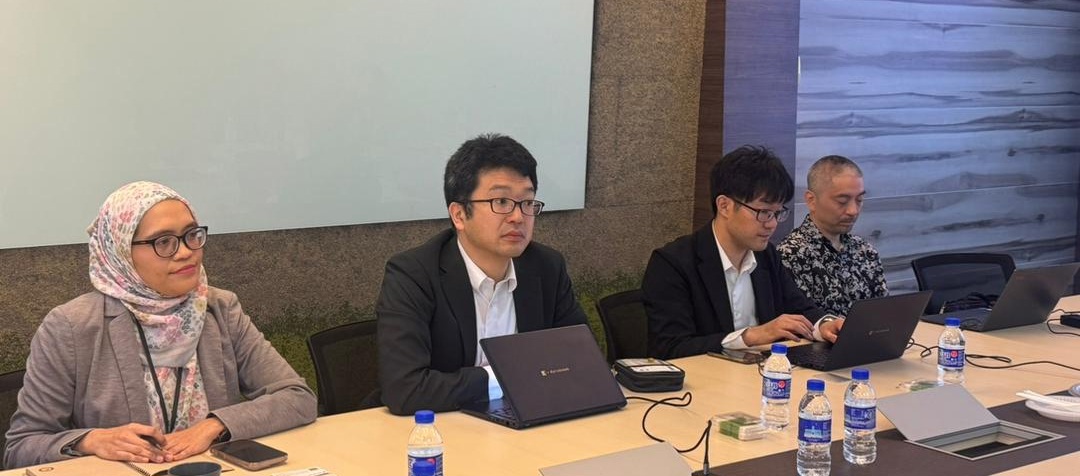
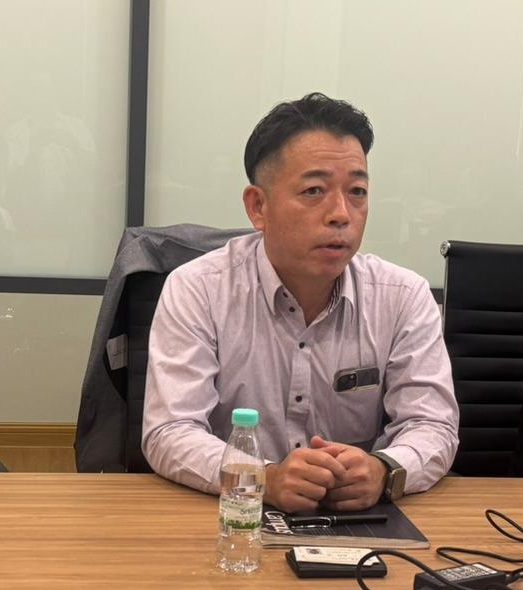
MOEJ Director Iino Satoru (centre) and DOE Malaysia’s Farah Diyana (left) exchange views on translating LRM policy frameworks into practical, scalable action and the support industry needed to advance refrigerant circularity in Malaysia.
Daikin Malaysia plays a pivotal role in implementation, leveraging its technical expertise and dealer network to drive structured collection, proper handling, and adoption of lifecycle practices at scale. Complementing this, DOE provides regulatory oversight to ensure compliance, while MOEJ shares policy guidance and emissions control aligned with local market needs.
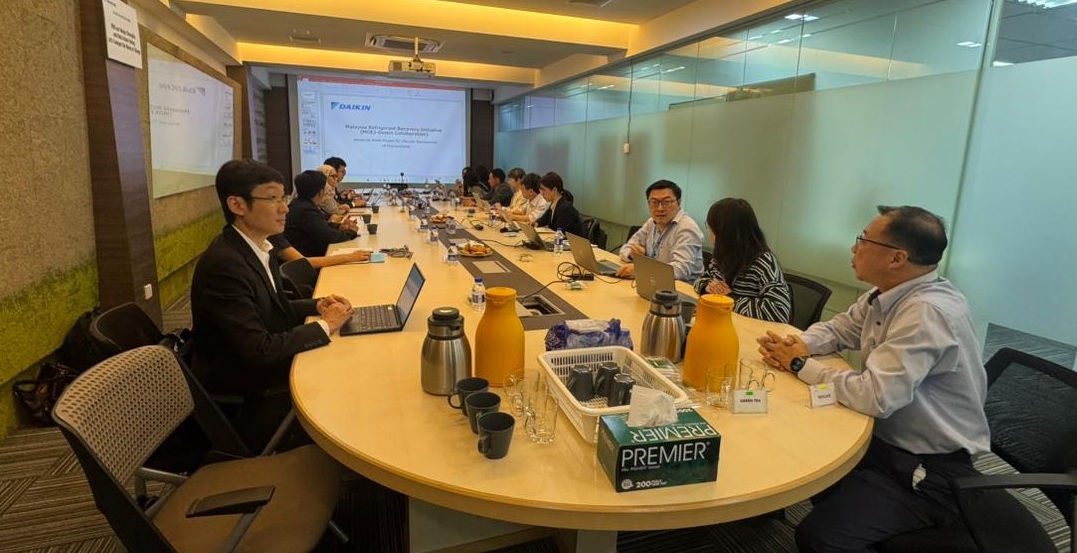
A collaborative session between delegates focused on advancing LRM practices to strengthen the circular economy and reduce environmental impact within the HVAC industry.
Supporting Kigali Amendment and Climate Goals
Building on this collaboration, aligning with the Kigali Amendment requires the HVAC industry to bridge supply gaps through next-generation refrigerants and stronger reclamation systems. In this context, Mr. Iino commended Daikin Malaysia Sdn Bhd’s leadership in pioneering a nationwide recovery and recycling programme, positioning it as a key pillar of a refrigerant circular economy that supports Malaysia’s climate commitments. He also emphasised the importance of clear, robust regulations to curb leaks and emissions for long-term industry resilience.
Expanding on this, discussions addressed systemic barriers—including regulatory gaps, cost pressures, and limited certified expertise—while shaping a practical roadmap to harmonise standards and scale sustainable reclamation nationwide.
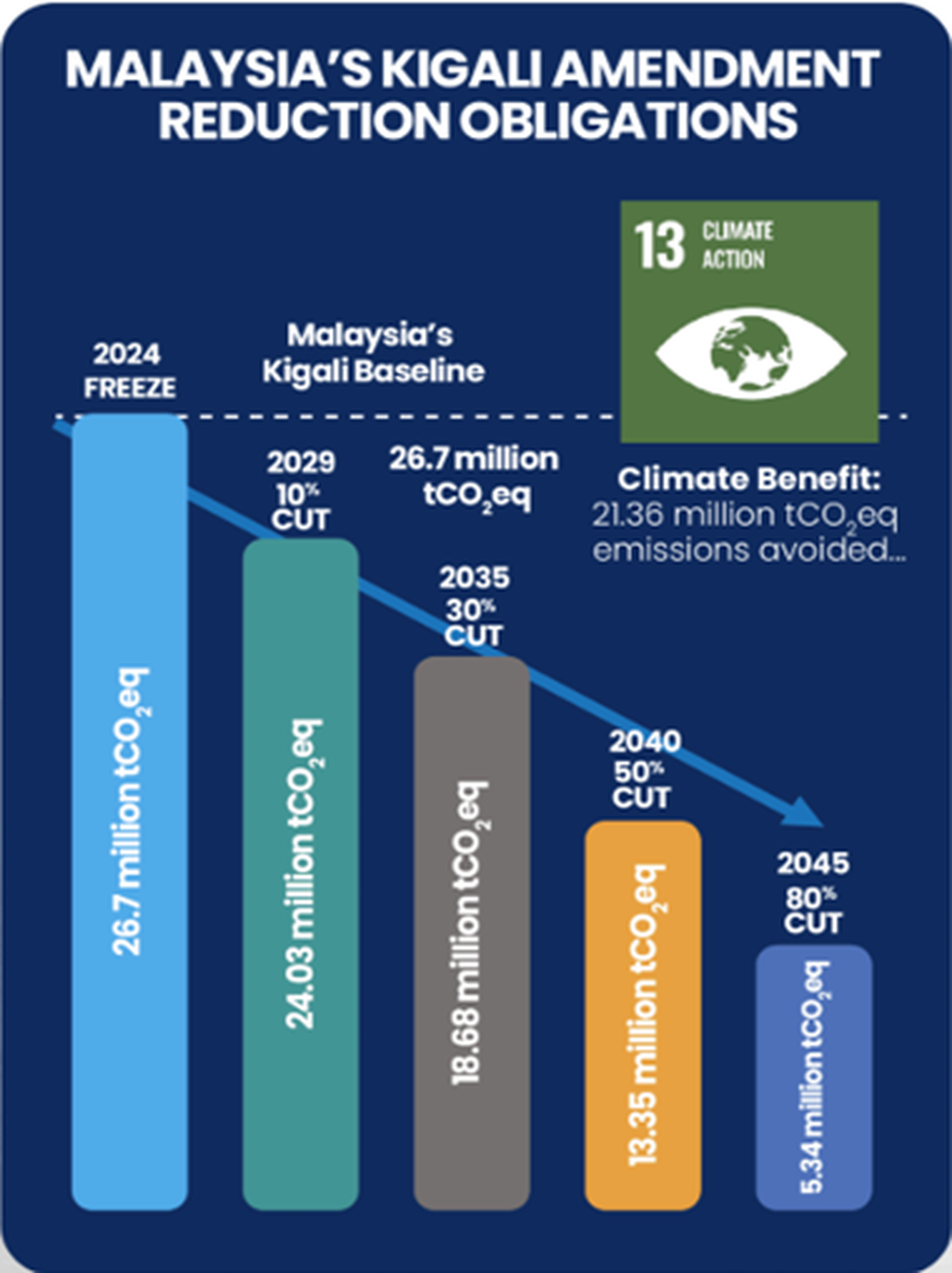
LRM as a key enabler of the Kigali Amendment, linking refrigerant circularity with emissions reduction and climate goals. (Source: DOE)
Challenges and Opportunities for Emerging Economics
Against this backdrop, implementing a nationwide recovery programme presents both challenges and opportunities. Capacity building remains essential to equip dealers, technicians, and service staff with the skills and tools for safe refrigerant management. At the same time, raising awareness is critical, as many end users remain unaware of environmental impacts and hesitant to participate. Targeted campaigns, outreach, and integration with platforms such as World Ozone Day and industry roadshows can strengthen understanding and encourage responsible practices.
At the operational level, scaling recovery requires stronger infrastructure and coordination. Collection centres face increasing volumes, space constraints, logistical complexity, and rising costs—highlighting the need for efficient transport, upgraded facilities, and digital solutions. As roles across the value chain evolve, clear regulations, supported by training, certification, and close government–industry collaboration, will be key to embedding best practices.
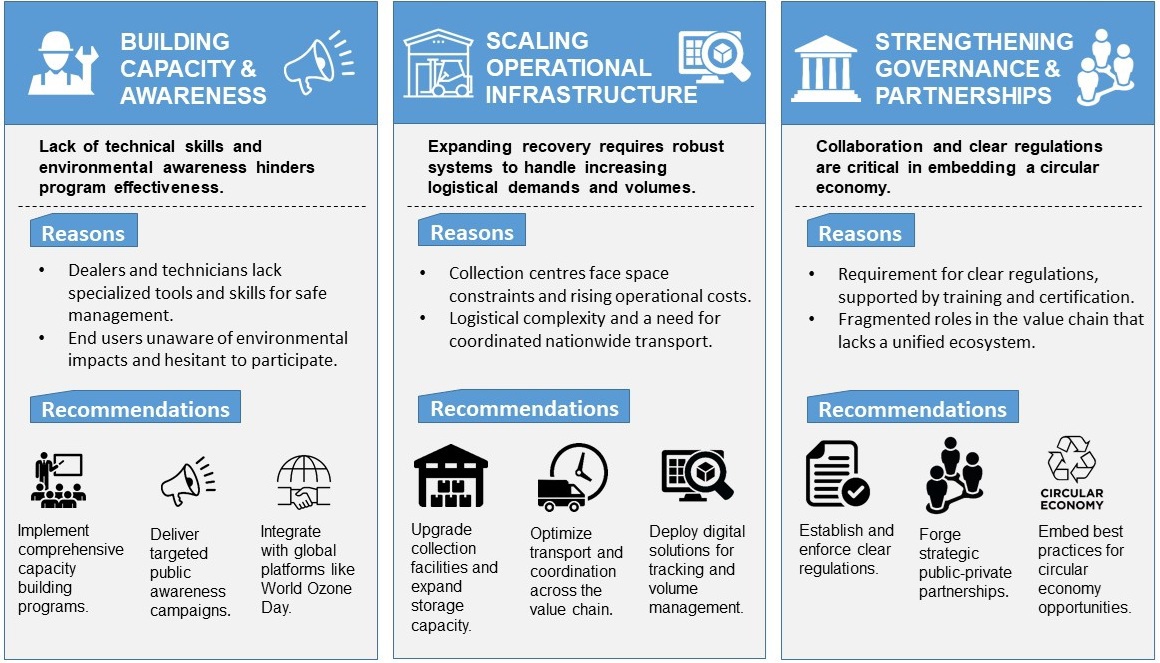
Key barriers and enablers in scaling Lifecycle Refrigerant Management in Malaysia, from recovery and cost challenges to policy and industry support needs.
As illustrated in the diagram, public–private partnerships play a critical role in enabling knowledge transfer, adoption of best practices, and scalable infrastructure. Supporting dealers and technicians with training and equipment not only standardises recovery but also creates new opportunities within a circular economy. A coordinated ecosystem reduces environmental risks, supports climate goals, and positions Malaysia as a leader in responsible HVAC practices while driving innovation.
Empowering Local Partners to Enable Life‑Cycle Refrigerant Management
During the visit, the delegation toured Lai Electrical Sales and Services Sdn Bhd, a Daikin Malaysia dealer, to observe how recovery is integrated into servicing—highlighting the dealer’s frontline role. The visit concluded at Iwatani Malaysia Sdn Bhd, where they observed end-to-end recovery and reclamation, including purification to AHRI 700 standards for reuse, demonstrating a circular refrigerant system in action.
This initiative strengthens the entire ecosystem by redefining the roles of every stakeholder involved. It equips frontline dealers like Lai Electrical to offer sustainable services that deepen customer trust, while establishing Daikin Collection Centres as critical hubs for responsible gas management. Finally, the program seamlessly integrates reclamation facilities like Iwatani Malaysia into a high-value circular economy, providing a steady stream of material for purification to AHRI 700 standards and ensuring recovered refrigerant remains a valuable resource rather than waste.
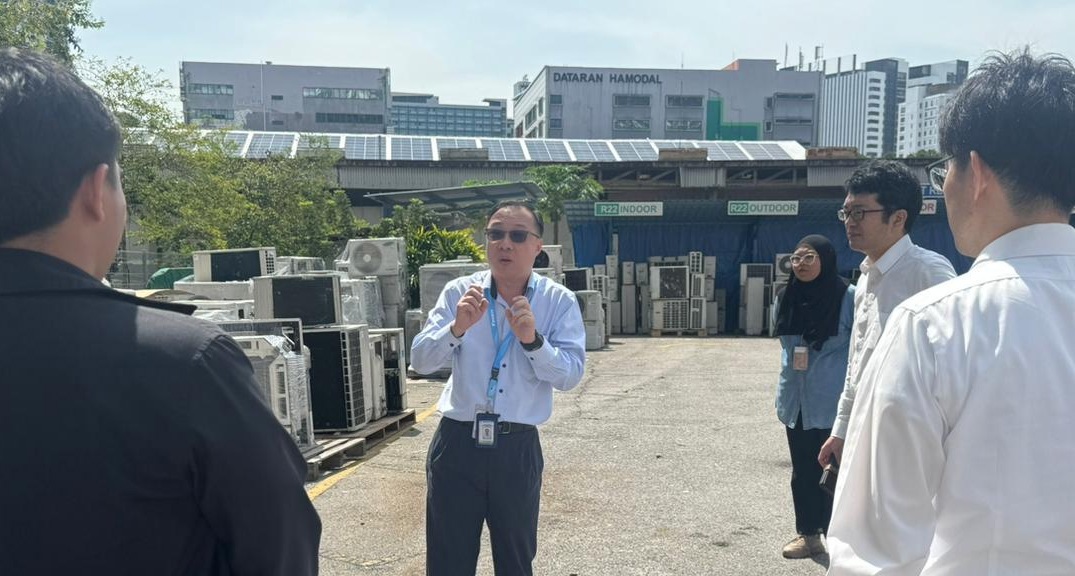
Toh Yong Kiat, Daikin Malaysia Sales and Service, explains the inspection process for collected old air conditioners to ensure refrigerant pump-down is carried out correctly prior to recovery.
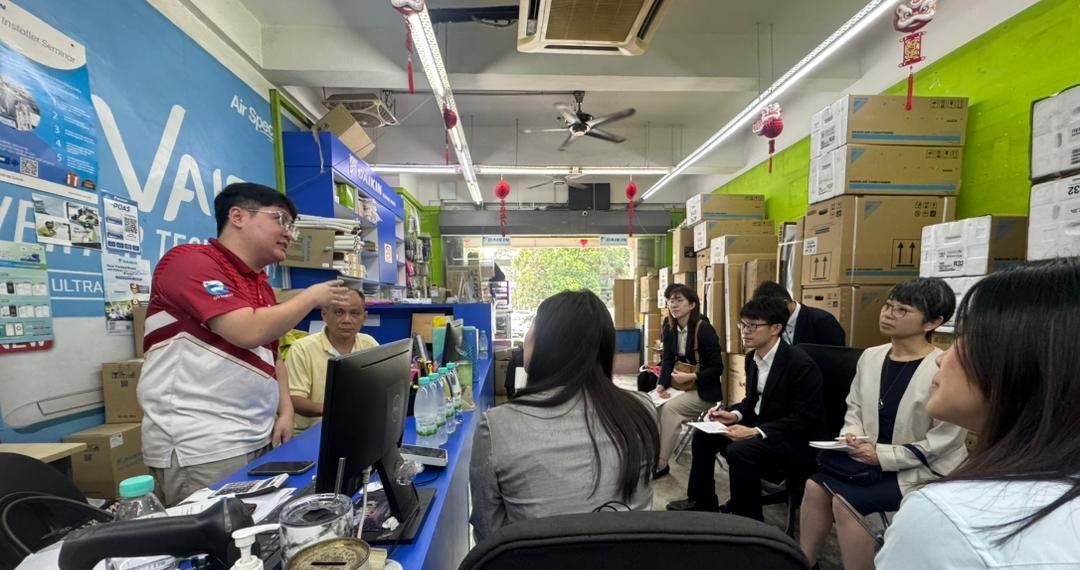
A representative from Lai Electricals explains the process for collecting old air conditioners, including refrigerant pump-down and dismantling, as well as practical challenges dealers encounter during on-site recovery.
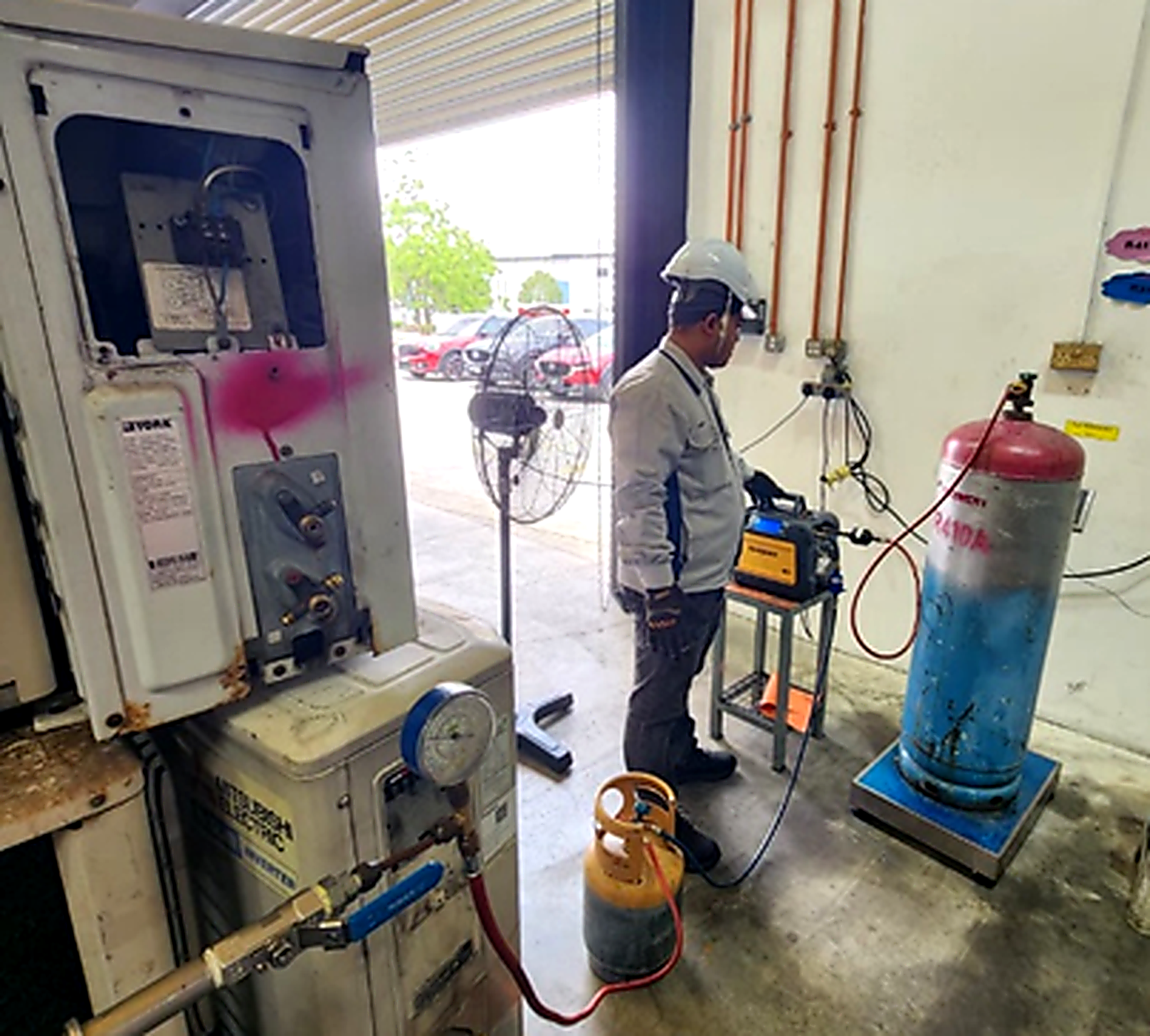
(Left) Iwatani Malaysia MD Nobuharu Tamura welcomes delegates to the company’s refrigerant recovery and reclamation facility.
(Right) An Iwatani employee performing the refrigerant recovery procedure to reclaim gas to AHRI 700 standards, reducing the market's reliance on virgin refrigerants.
Vision for Global Sustainable Cooling
Looking ahead, Daikin Malaysia Sdn Bhd remains committed to advancing Malaysia’s climate goals through responsible refrigerant circularity. The company will continue working with the Department of Environment Malaysia and industry partners to expand recovery initiatives, strengthen technical capabilities, and drive long-term stewardship across the cooling sector.
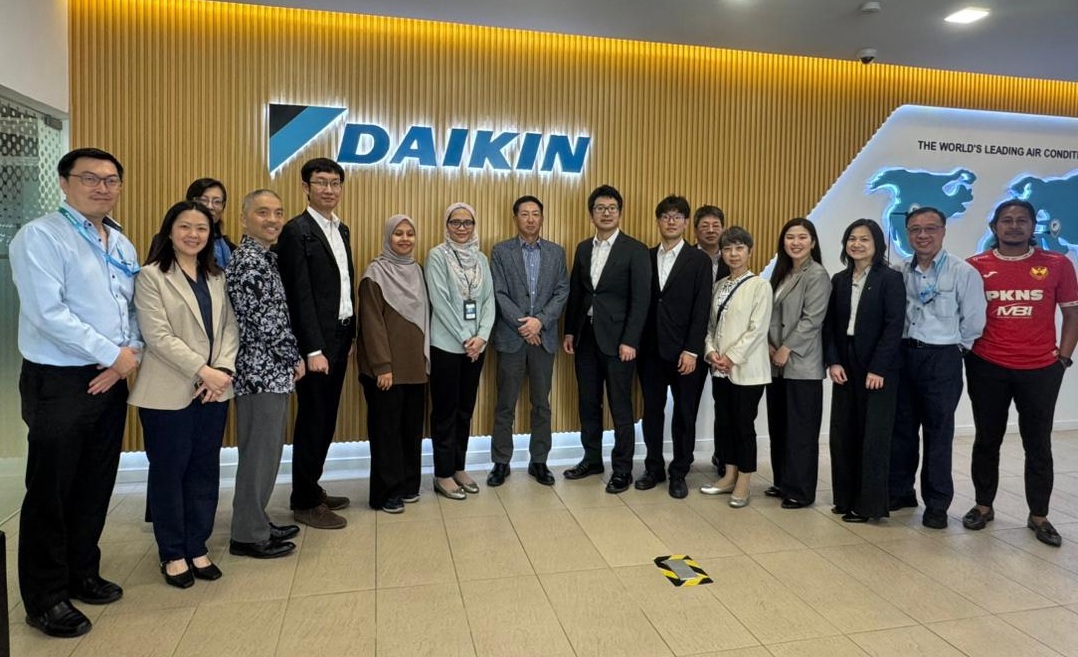
Delegates from MOE Japan, DOE Malaysia, Daikin Industries (Japan) and Daikin Malaysia during official site visit to strengthen bilateral cooperation on lifecycle refrigerant management.